
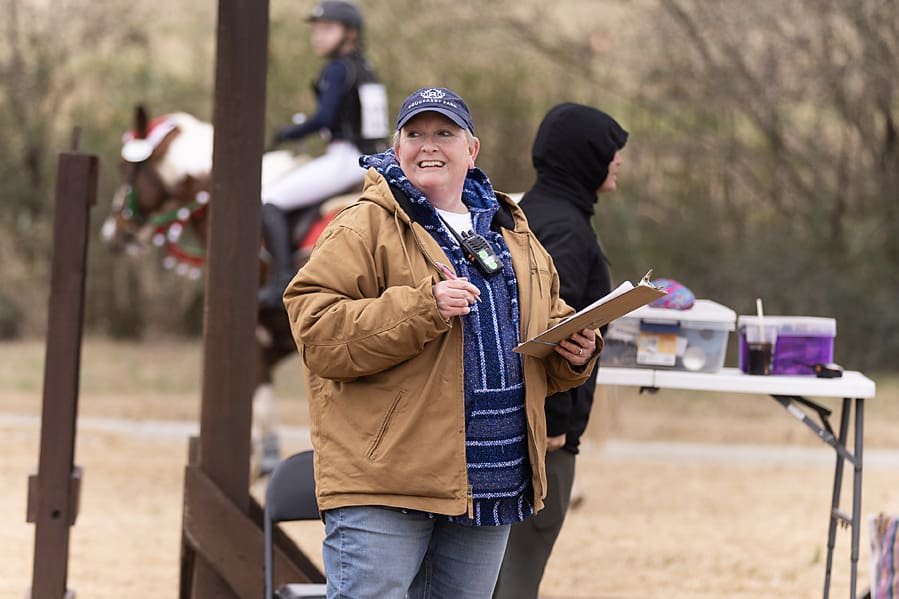
Every local schooling show you’ve ever competed in was held together, in large part, by a handful of people who weren’t competing. Someone managed the in-gate. Someone sat beside the judge and wrote down every score and comment as the tests went by. Someone reset the rails between rounds. Someone staffed the show office, sorted the entry packets, and made sure the order of go was posted before the first horse walked in.
Most competitors don’t think much about these roles until something goes wrong—a ring that stalls because nobody’s running the gate, a score sheet that gets lost between the judge’s box and the office. When it all works, it’s invisible. And it works because volunteers show up on Saturday morning and make it work.
At a typical schooling show, volunteer labor is not supplemental. It’s structural. Small circuits charging $25 a class don’t have the budget to staff a full crew of paid officials. The shows run because riders, trainers, parents, and horse-adjacent people in the community give up a weekend day to keep things moving. When that volunteer pool shrinks—when people stop signing up—show managers burn out, and shows go away. The affordable, low-pressure competition opportunities that make this sport viable for ammys on real budgets are not guaranteed. They exist because someone keeps choosing to show up.
What the Jobs Actually Look Like
Part of what keeps people from volunteering is not knowing what they’re signing up for. The roles are more approachable than they sound.
SCRIBE
The job that surprises people the most—both in how manageable it is and in how much you learn doing it. A scribe sits beside the dressage judge and transcribes every score and comment she calls as each test is ridden. You don’t need to know the tests by heart, though a passing familiarity helps. You need to write quickly, ask for clarification when you miss something, and keep up with the pace of the ring. What you get in return is an education: you hear a working judge evaluate dozens of rides in a single morning, in real time, calling out exactly what she sees. After a full day scribing, you will have a clearer understanding of what judges are actually looking for than most riders develop in years of competing.
GATE STEWARD
Managing the order of go for one ring. You have a running list, you know who’s on deck, and you communicate clearly with the warmup area and the ring so the whole operation stays on schedule. It’s a role that rewards calm, organized people who don’t mind being the person others look to for information. The job matters more than it looks like from the outside—a well-run gate keeps competitors’ nerves down and the whole day running smoothly.
JUMP CREW
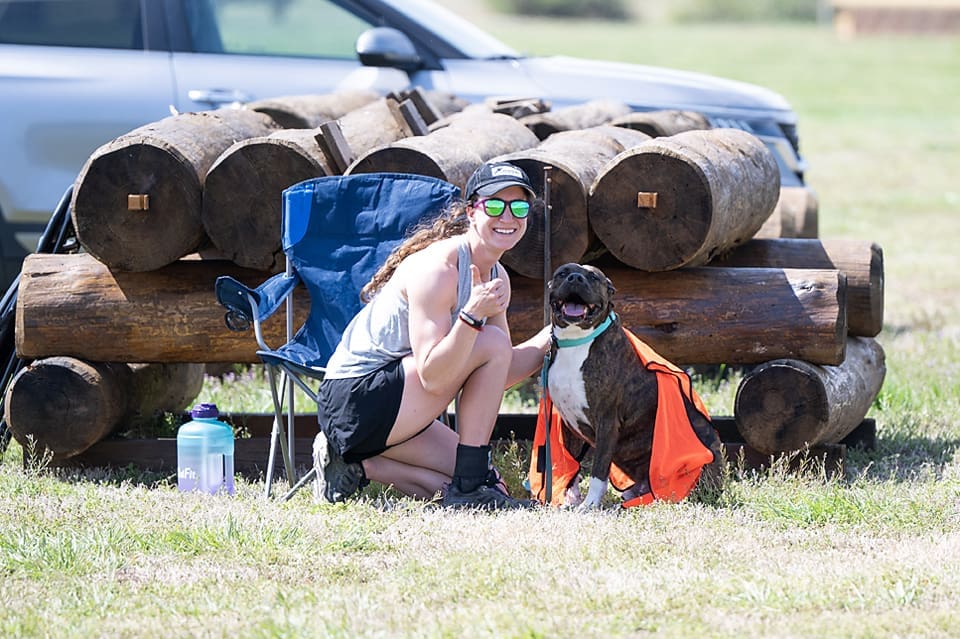
The most physical role and arguably the most entertaining vantage point. You’re ringside for every round, resetting rails after knockdowns, adjusting heights between divisions, and keeping the course ready to go. You watch every horse jump every fence. By the end of the day, you understand that course—which lines ride short, which oxers catch people, what the good rounds had in common—better than most people who competed on it.
SHOW OFFICE & RUNNER ROLES
Good entry points for people who want to help without being ringside. Runners carry score sheets between the judge’s box and the office. Office volunteers handle entries, manage scratches, and keep the administrative side of the show organized. No horse knowledge required; attention to detail and a willingness to move quickly are the main qualifications.
What You Get Out Of It
Volunteering at local shows is genuinely one of the better ways to learn this sport, and it’s underused as a learning tool by adult amateurs specifically.
If you scribe, you spend hours inside the judge’s perspective. If you gate, you watch the warmup dynamic and learn what it looks like when a horse is ready versus when a rider is pushing through a problem. If you work jump crew, you develop an eye for pace and distances that no lesson can quite replicate. And all of it happens in the context of your own community—the same shows you compete at, the same horses you see at your barn, the same trainers and organizers who make up the local circuit.
There’s also the less tangible return: being useful to something you care about. Local showing is one of the few places in this sport where the barriers are actually manageable—where a working adult on a budget can trailer somewhere on a Saturday, do a couple of classes at a fair price, and come home having competed. That matters. The people who volunteer to keep those shows going understand something about why the sport needs its entry points protected. Being one of those people feels different from just benefiting from it.
How to Find Your First Gig
The easiest path in is through your barn. Ask your trainer or barn manager which local shows they know of and whether they’ve heard of volunteer needs—show organizers in most regions are one or two connections away from anyone already in the community.
Beyond that, local equestrian Facebook groups are where most small shows post volunteer calls. Search your region alongside “horse show,” “schooling show,” or “volunteers needed.” For eventing specifically, eventingvolunteers.com is a centralized platform where you can browse open events and sign up by region. If you ride dressage, your regional USDF Group Member Organization almost certainly hosts or promotes local schooling shows and circulates volunteer needs through their email lists.
When you find a show, reach out to the show secretary or organizer directly. Tell them you’re new to volunteering and ask what roles are available. They will be glad to hear from you!

